PUBLISHED ON — February 2026
Booking Engine Setup
Overview
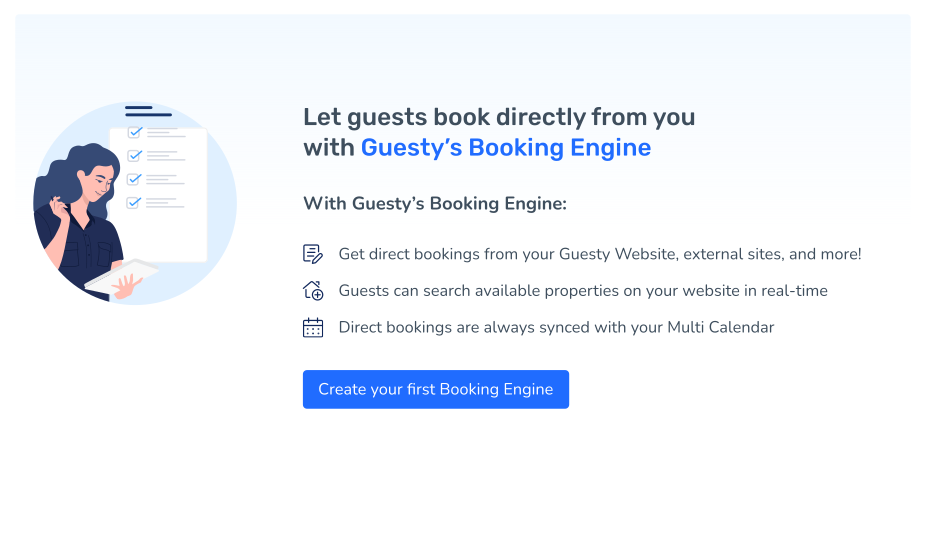
With the Booking Engine Setup, the property owner can create a platform accessible to customers to book properties as a B2C product. It can be included in third-party environments or added to the website that Guesty provides in the basic plan.
The goal of this project was to implement a visual improvement and enrich the theme.
The design objective was to eliminate existing usability obstacles to meet customer needs and generate more reservations.
Role
Date
Challenge Overview
The current system had been created without taking the user into account, but following the business objective.
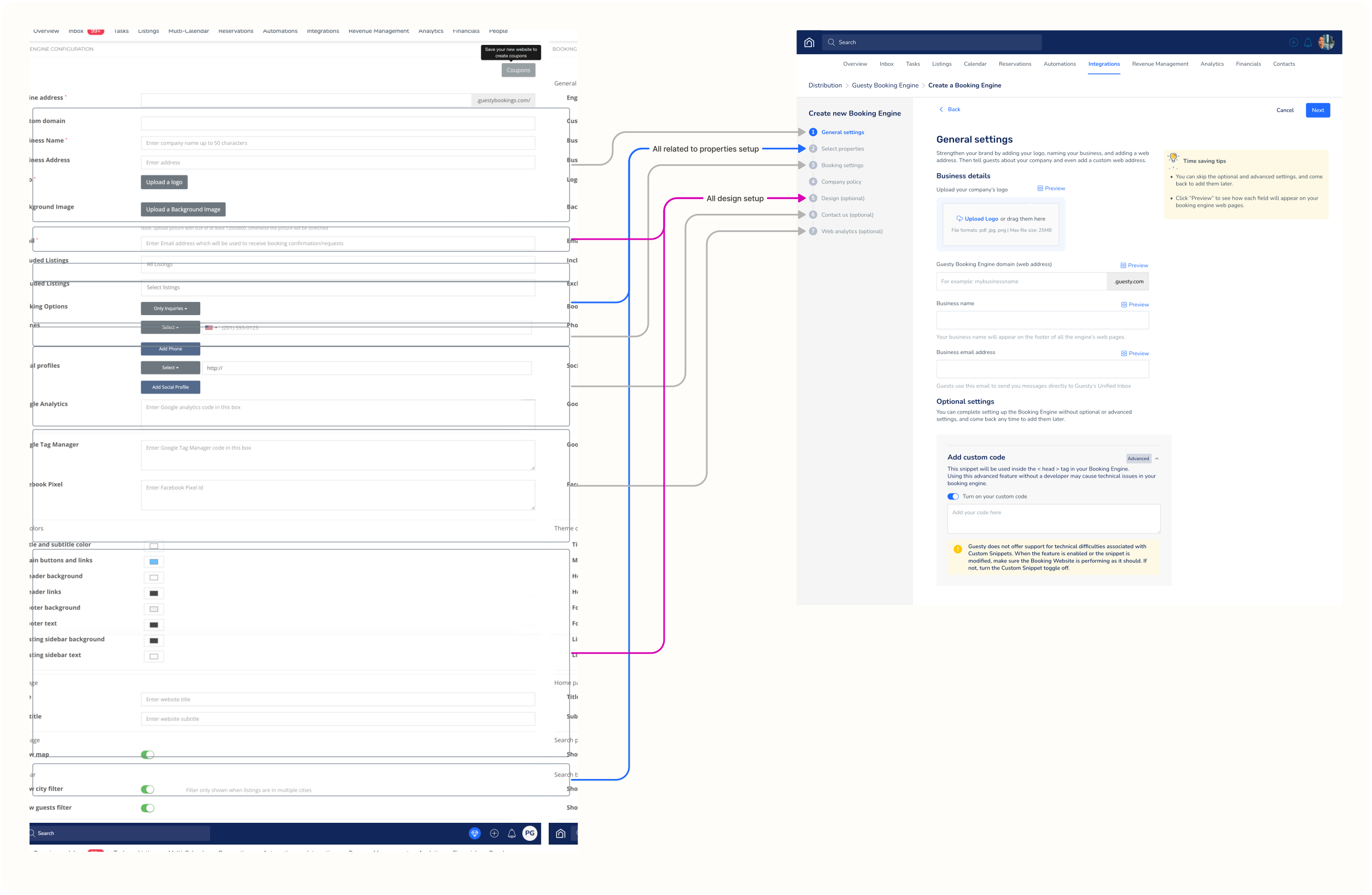
One of the main problems was the lack of an explanatory user interface, poor usability, and technical limitations, which created a frustrating experience for users. This meant that the setup process was not completed and final configuration was carried out from support.
The quantitative analysis extracted from the metrics from the Guesty dashboard reflected that 60% did not complete the setup, affecting the publication of the properties for reservation by the owner.
Start Process | ██████████████████████████████ | 100%
Abandon Process | ████████████████ | 60%
Complete Process | ████████████ | 40%
Design Challenges
The main objectives
- New redesign process
- Reduce the frictions during the process
- One flow that will serve beginner and expert users
- Self explanatory for self onboarding
- Ability to save my work and continue later
- Convert users to ‘Premium website+BE’ – future plans
Discovery & Problem Framing
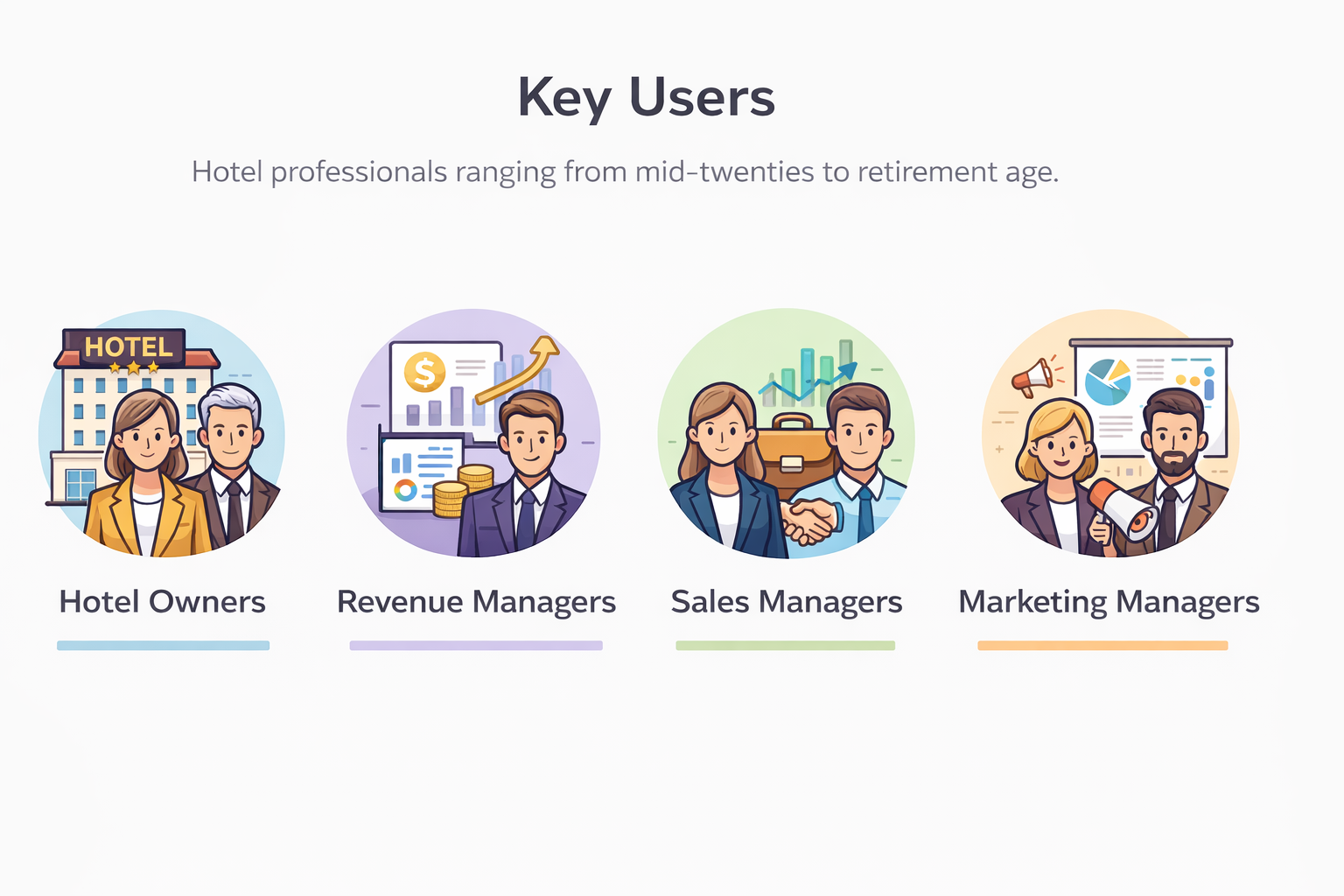
During the second phase, and after my third week at the company, I needed to know for whom I was designing. The age of those consuming the product varied considerably. I analyzed the data from the dashboard and met with designers who had been with the company longer to refine this information.
Target definition
User target and age range
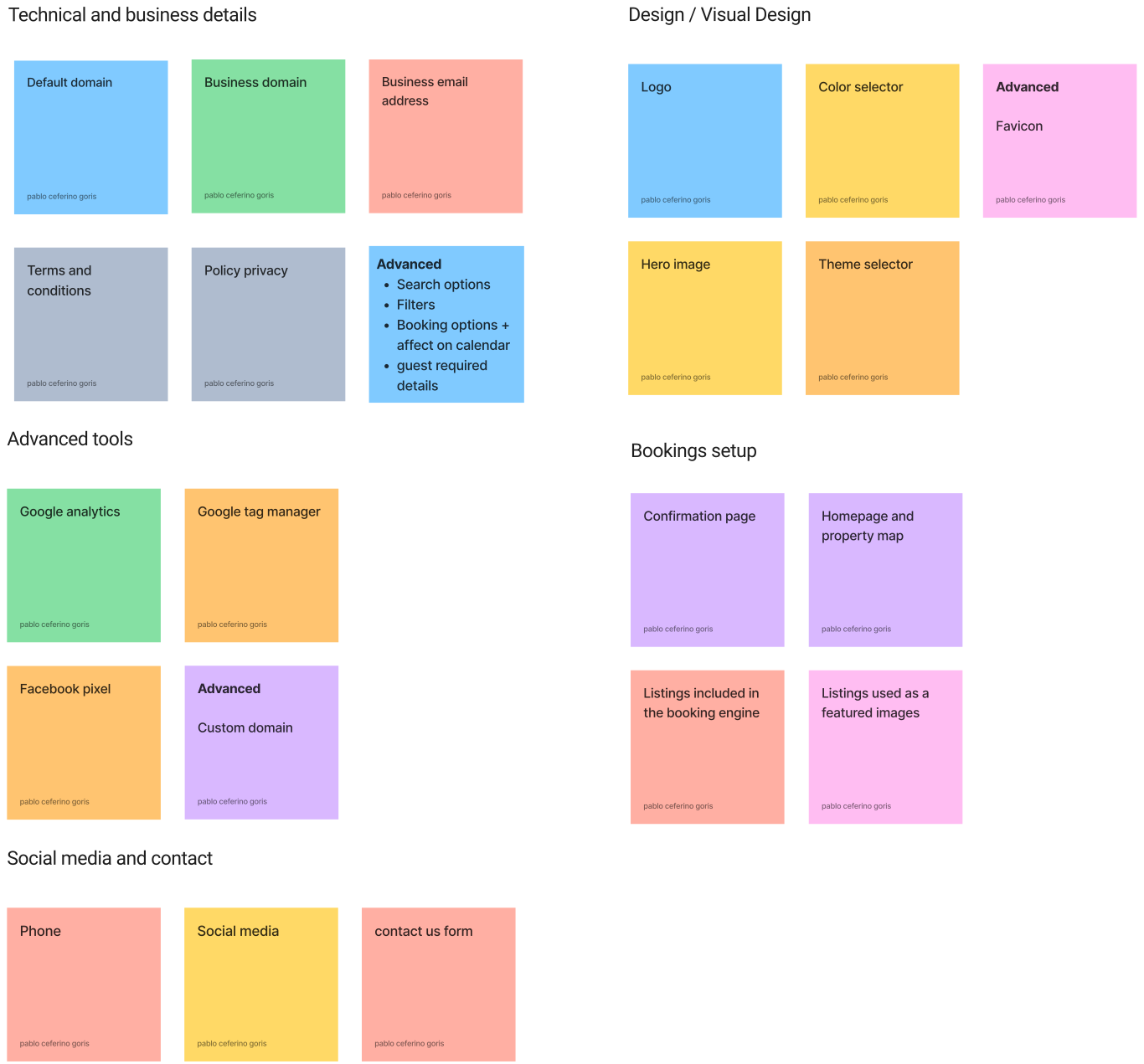
A brainstorming was conducted to pre define the main architecture and the user flow
After the assumptions created for the main architecture, a card sorting study was performed with the main stakeholders.
Content organization
A brainstorming was conducted to pre define the main architecture and the user flow. After the assumptions created for the main architecture, a card sorting study was performed with the main stakeholders.
Result
Wireframes
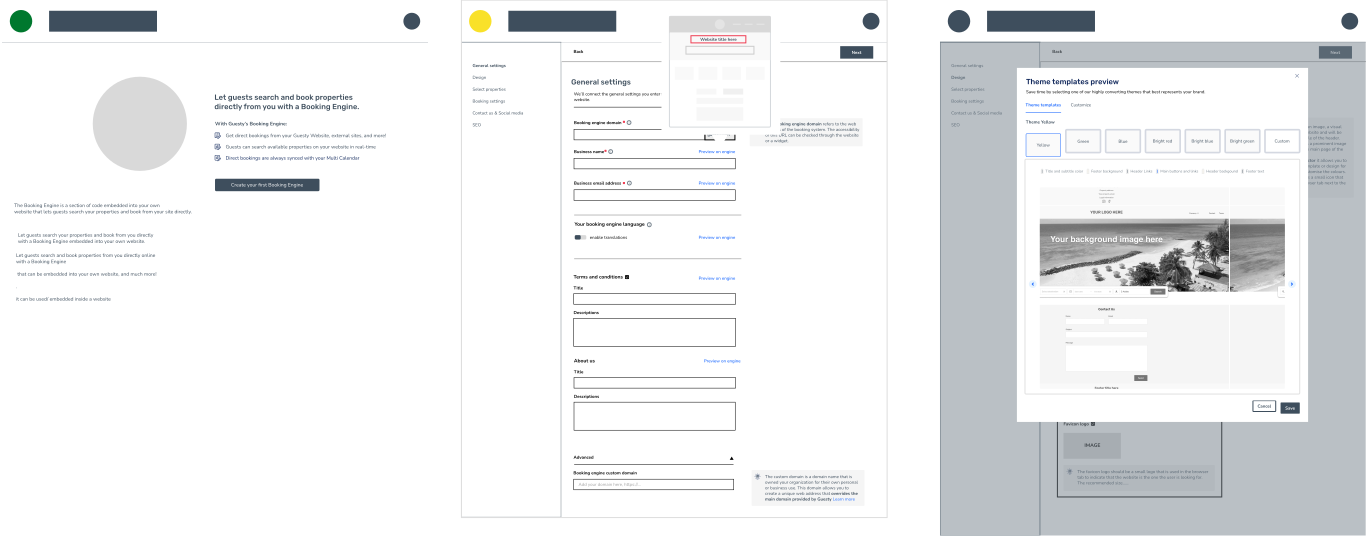
With all the information collected in first phase, and the definition of the main architecture and the hierarchy of the information in phase two, I created LO-FI prototypes to start testing with users, but not only test our assumptions with the stakeholders, one of the most important parts in this phase was to meeting with the developers, to align our idea with the technical implementation. It was an iterative part, some technical constrains appears with the proposition to save every step of the process.
We defined a color protocol with the UX Writer to know the status of the content.
- Green: the content is finished
- Yellow: the content is in progress
- Black: the content has not been reviewed
Mockups
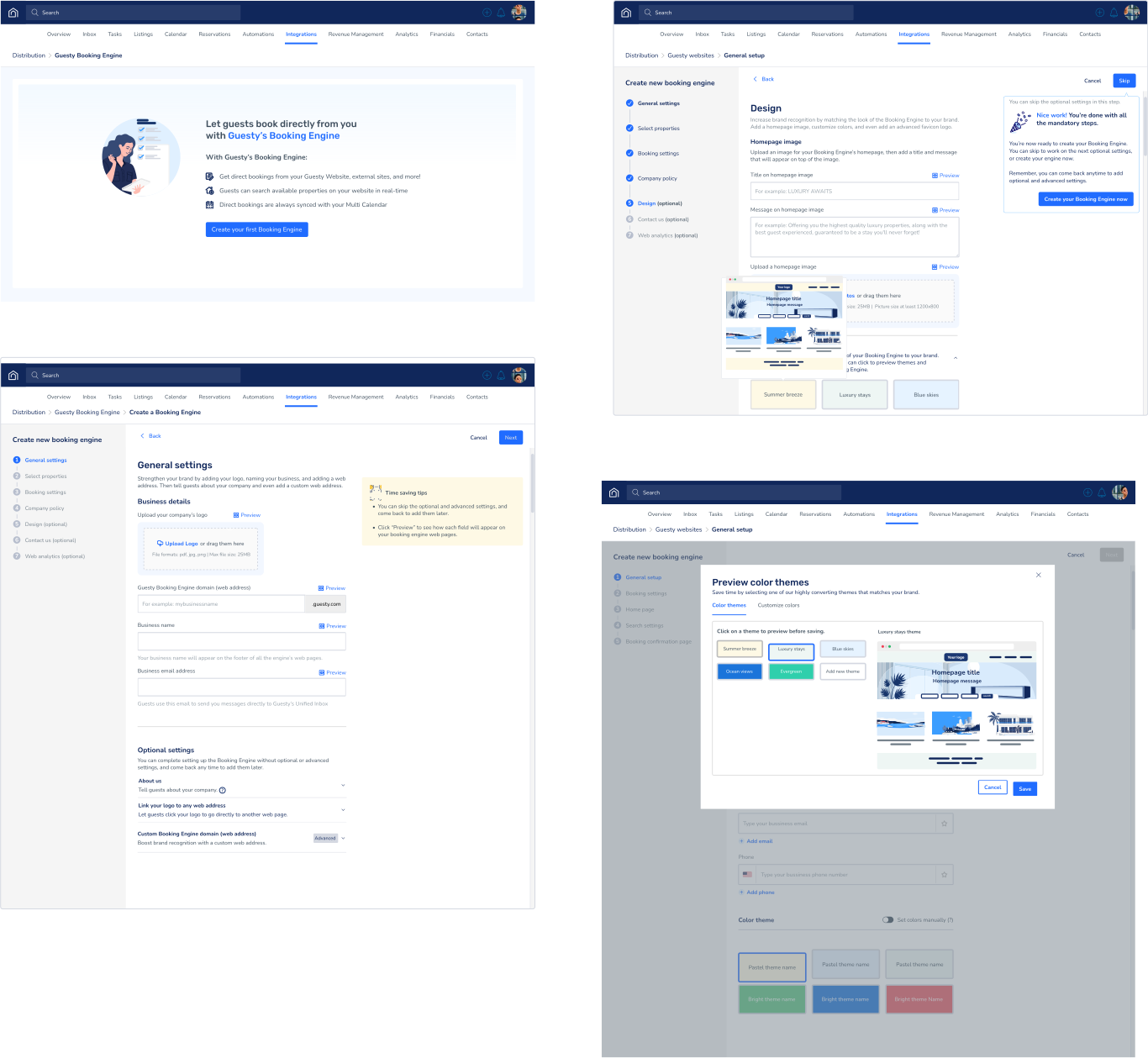
For the implementation of the design, we followed the rules defined in the style guide.
Devs Handoff
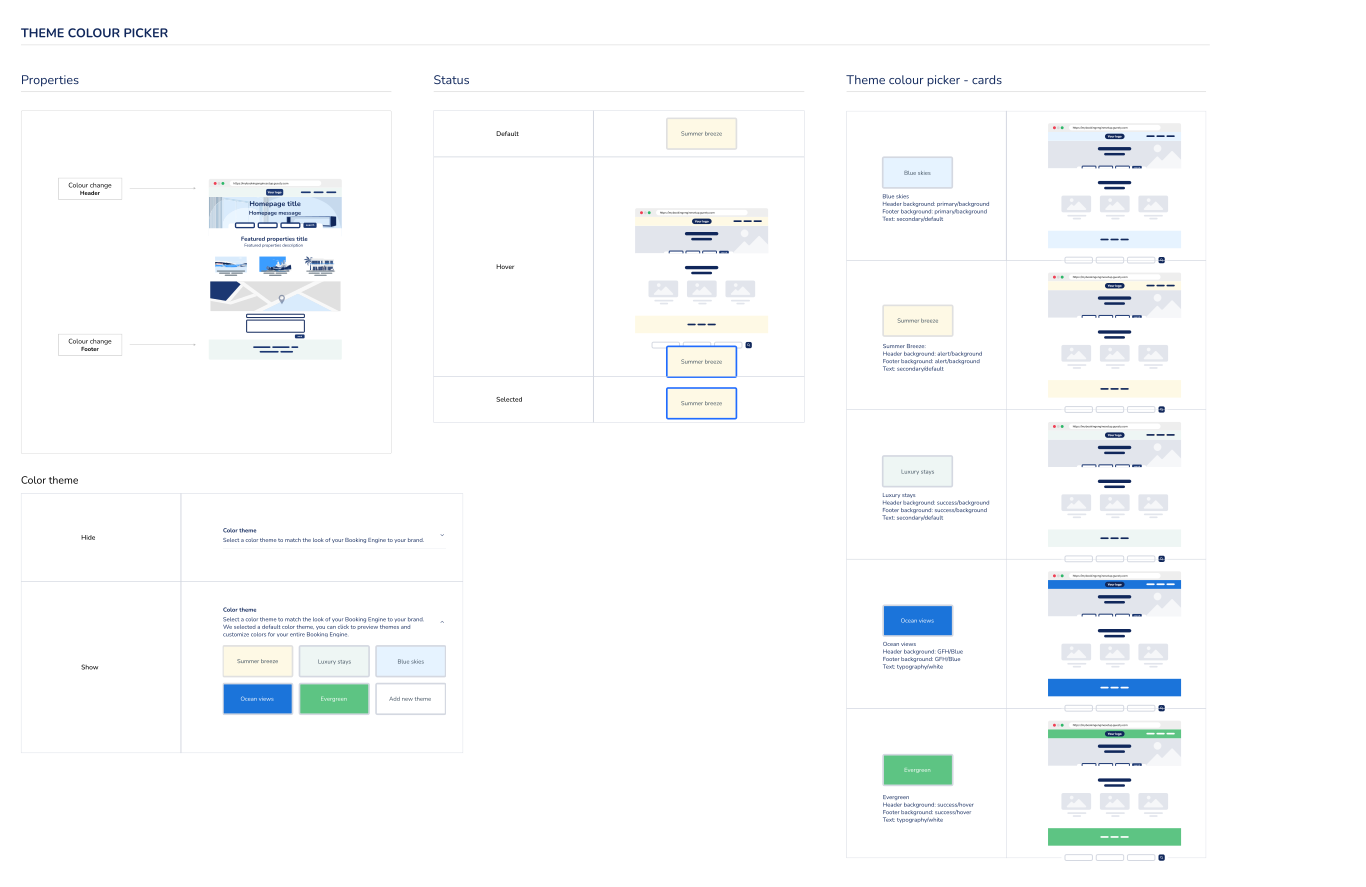
Components
Lesson learned and next steps
The importance of understanding technical constraints:
In order to design an effective reservation engine configuration, it was crucial for me to understand the technical constraints of the channel manager and the property management system. This required working closely with developers and other technical stakeholders to ensure that my designs were feasible and could be implemented efficiently.
The value of data-driven design decisions:
Through this project, I learned the importance of using data to inform design decisions.
The importance of designing for accessibility:
I learned the importance of designing for accessibility and ensuring that the reservation engine could be used by people with a wide range of abilities and disabilities.
Next Steps
Monitor performance:
Monitor the performance of the reservation engine configuration in the channel manager to track its impact on business outcomes such as increased bookings and revenue, and identify opportunities for further optimization.
Quantitative data:
We have implemented events to collect the quantitative information.