Strategy
Design Leadership
Design is understood as a leadership function that aligns product, business, and technology to solve the right problems, not just deliver solutions, where decisions are built on user feedback, quantitative data, and continuous validation to reduce uncertainty and bring clarity. In this context, AI-driven exploration and rapid iteration expand the solution space and enable faster progress, while the focus shifts from creating isolated interfaces to building scalable systems that ensure consistency and long-term efficiency.
This is reinforced by continuous observation after release, closing the loop and enabling informed iteration that drives ongoing product improvement.
I Prioritize for Impact
Case Study: Astra FM
Not every problem deserves the same level of attention, and not every solution requires design effort from the start. When working on Astra, the focus was not on immediate visual output, but on defining a clear execution plan that could handle complexity from the beginning. The project started by mapping the full scope of the platform, identifying dependencies, and structuring the work into phases that balanced exploration, validation, and delivery.
Through early benchmarking and competitive analysis, it became clear where differentiation mattered and where existing patterns could be leveraged. Brainstorming sessions helped expand the solution space, but decisions were always filtered through impact, scalability, and feasibility. This allowed prioritization of what truly moved the project forward, avoiding unnecessary design work and reducing risk.
The result was a structured roadmap that guided the evolution of Astra from concept to implementation, ensuring that each step contributed to a scalable system rather than isolated features. By prioritizing impact over output, the process remained focused, efficient, and aligned with long-term product vision.
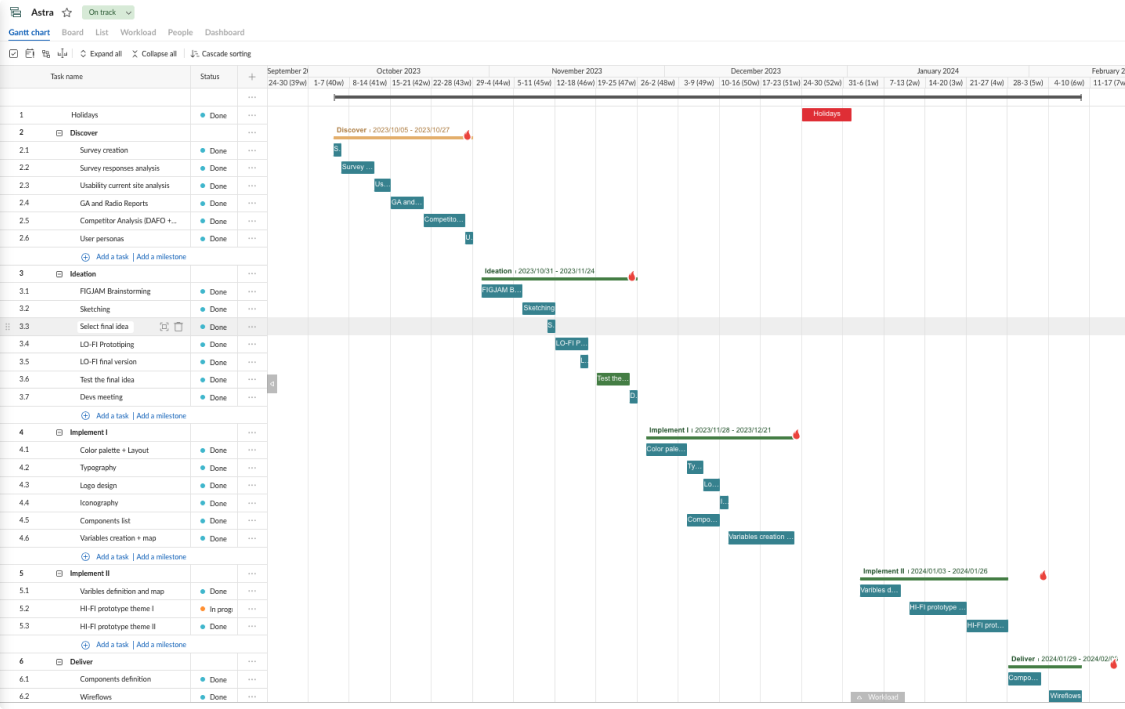
Plan
Benchmarking Analysis
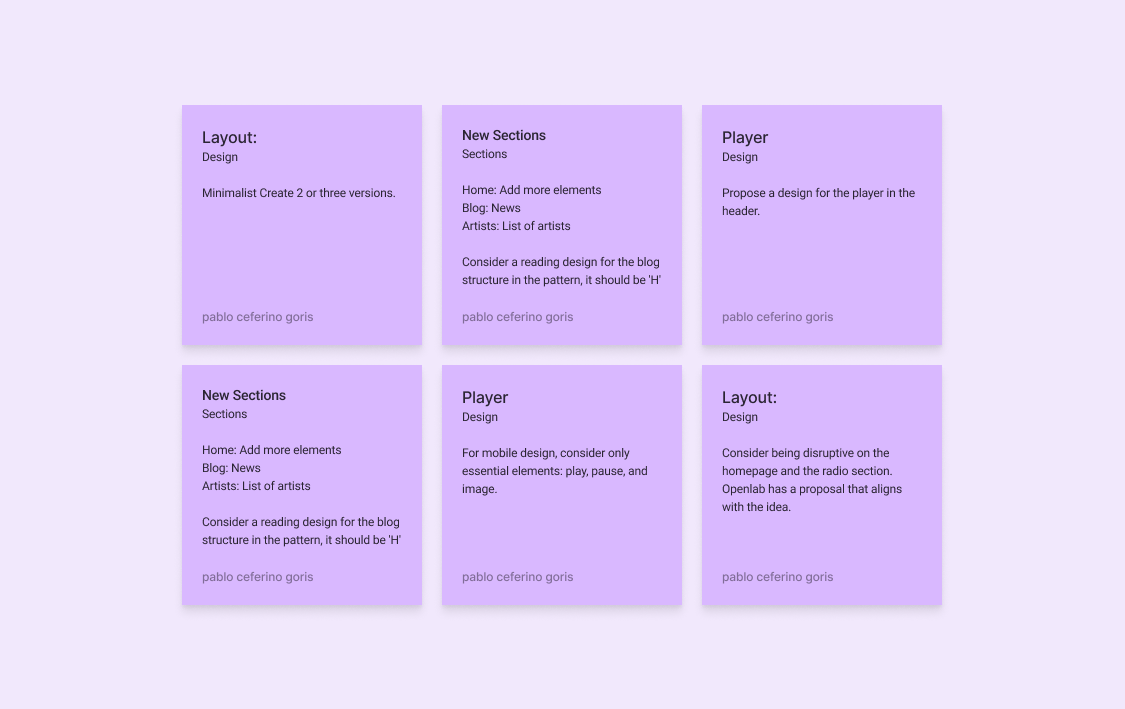
Content Organization
I Diagnose Structure Before Surface
Case Study: Crisalix
In complex products, usability issues are rarely visual — they are structural. At Crisalix, the main challenge was not how the interface looked, but how the system was organized. Users struggled to locate tools and features within a dense simulation environment, where functionality had grown without a clear underlying structure.
The process began by analyzing usage patterns, card sorting results, and feature distribution across different markets to understand how users mentally grouped tools and where friction occurred. This revealed inconsistencies between the system’s structure and user expectations, making even frequently used features harder to access.
Instead of starting with UI redesign, the focus shifted to redefining the architecture: reorganizing tools, simplifying navigation, and creating a clearer hierarchy aligned with user behavior. The result was a more intuitive system where users could reach their intended actions with less effort, improving efficiency without relying on visual changes alone.
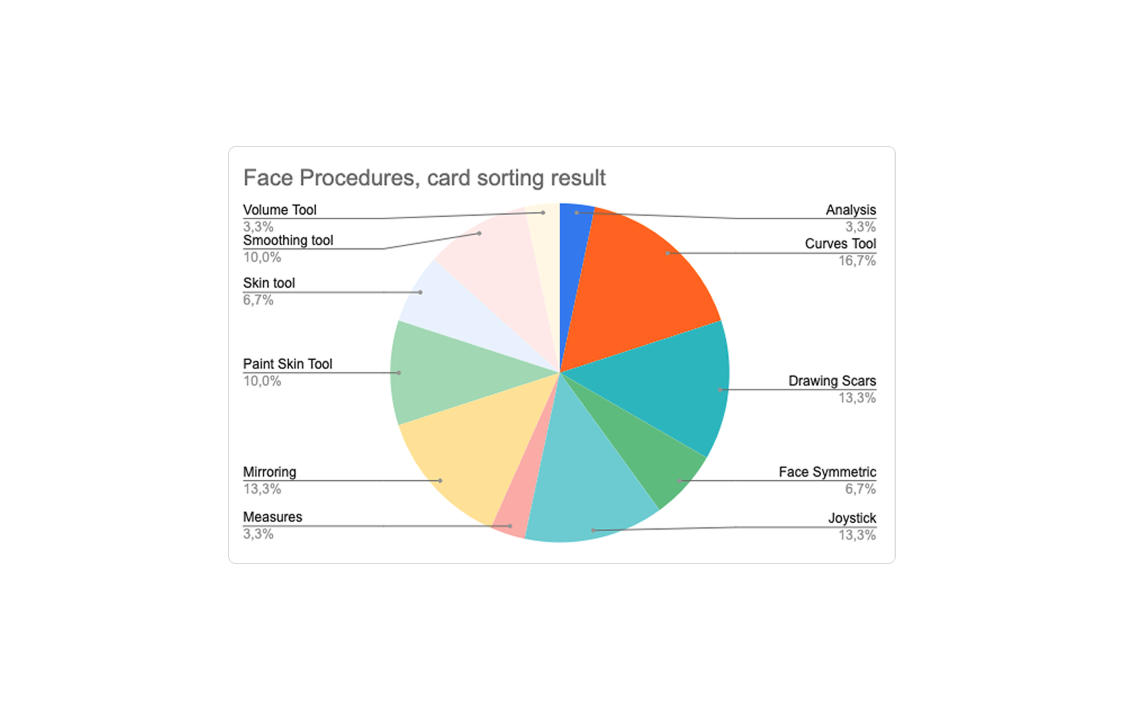
Face Procedure Card Sorting
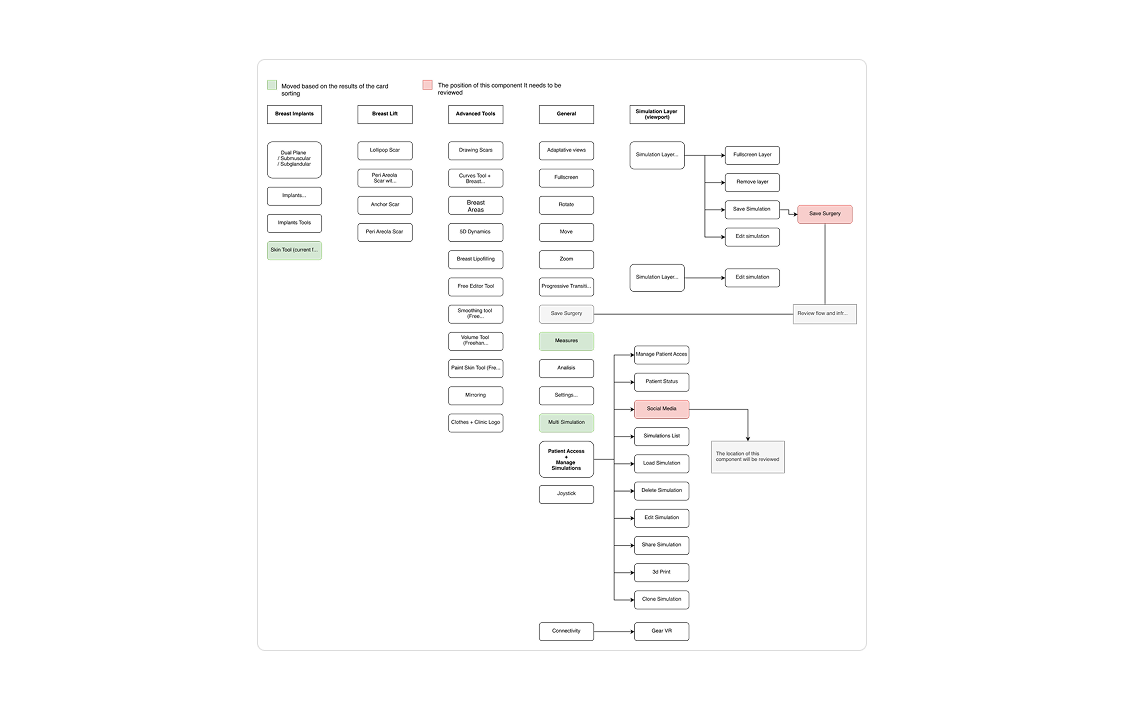
New Content Architecture
I Align Before I Design
Case Study: KIGO
Alignment reduces redesign. I don’t see design as something that happens in isolation, but as a shared effort from the beginning. In projects like Kigo, Crisalix, or Alea, where UX wasn’t part of the process yet, the first step wasn’t designing screens, it was creating a common understanding of the problem and how we wanted to approach it as a team.
I make a point of explaining why decisions are made, opening the conversation early and bringing product and development into the process. Different perspectives are not blockers, they are inputs that often lead to better solutions. Through workshops, discussions, and UX methods, ideas evolve from individual opinions into something more structured and shared.
In the end, aligning early makes everything smoother. It reduces friction, avoids unnecessary rework, and helps teams move forward with clarity and confidence.
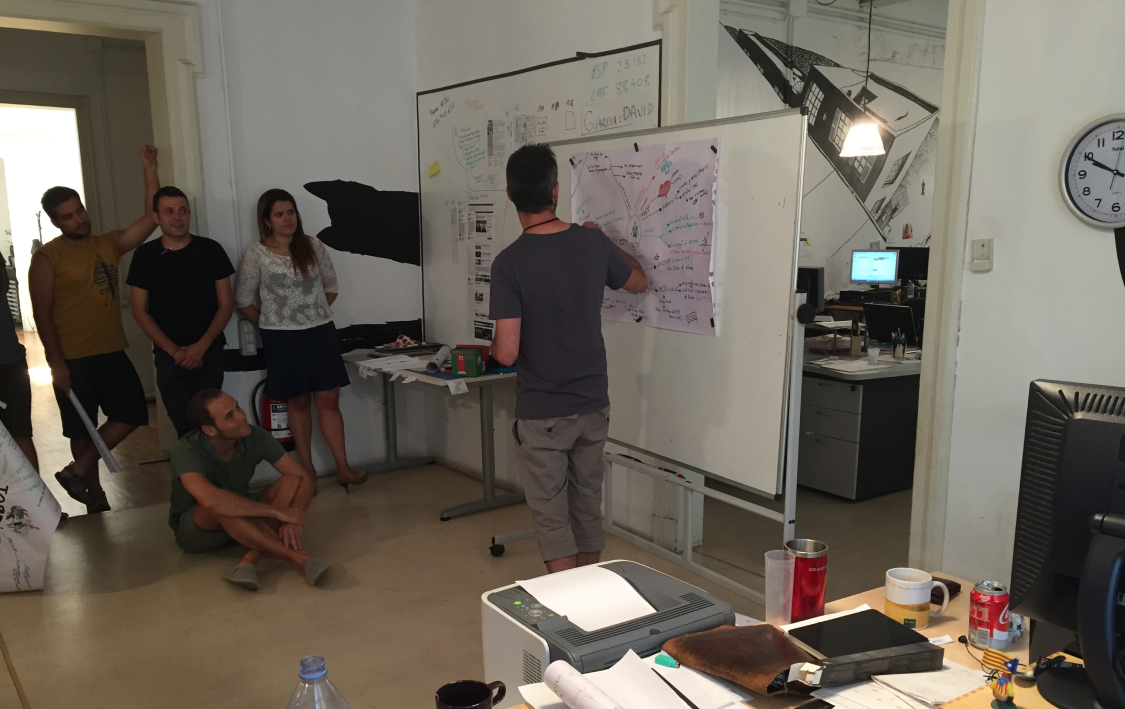
Ideation Session
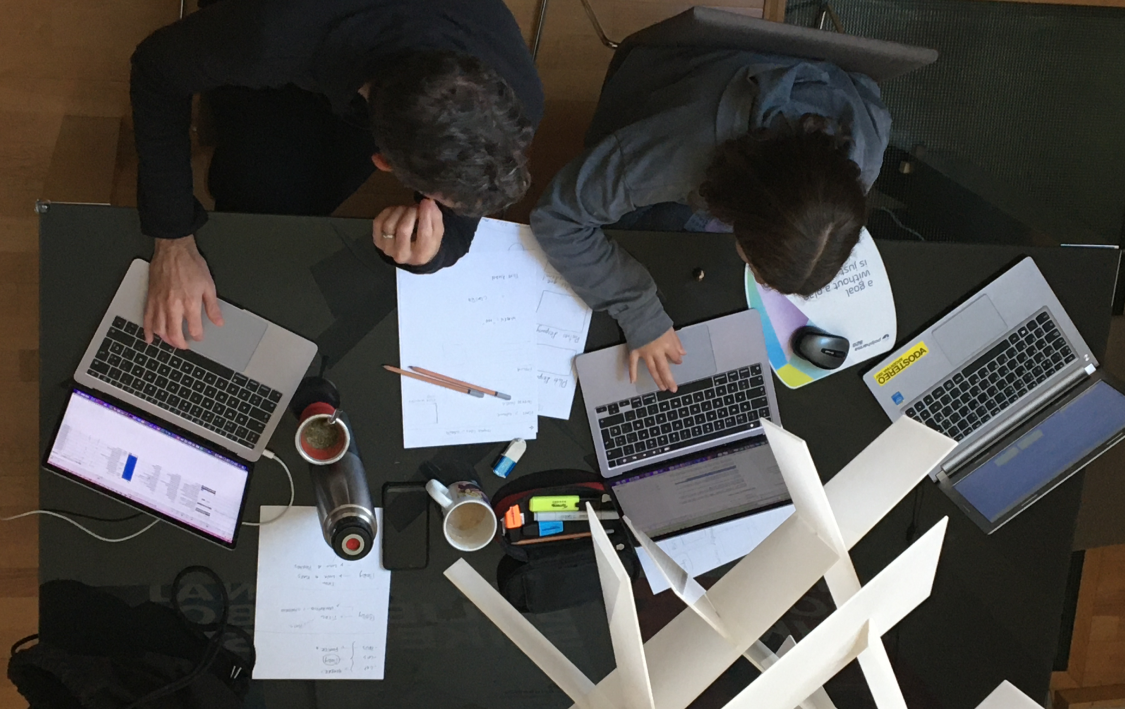
Use Cases Definition
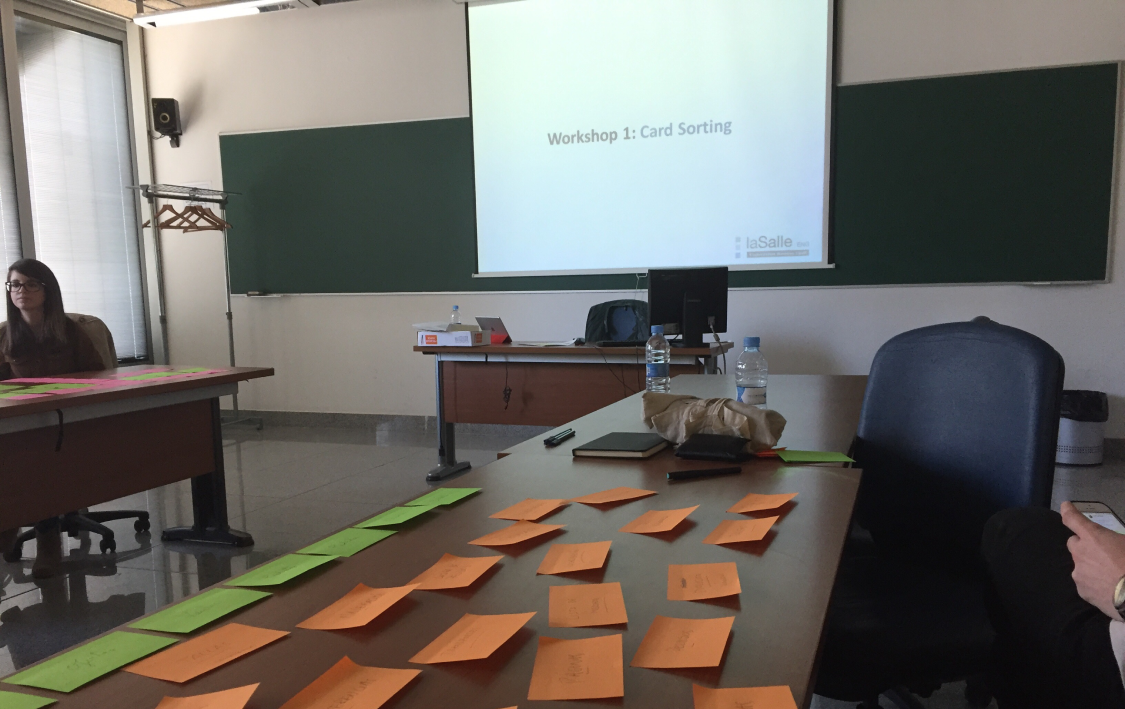
Content Organization